Is high mileage a problem on a classic?
A hundred and fifty thousand miles is not high for a car built to last. Condition and history decide it, along with a handful of checks specific to the model.
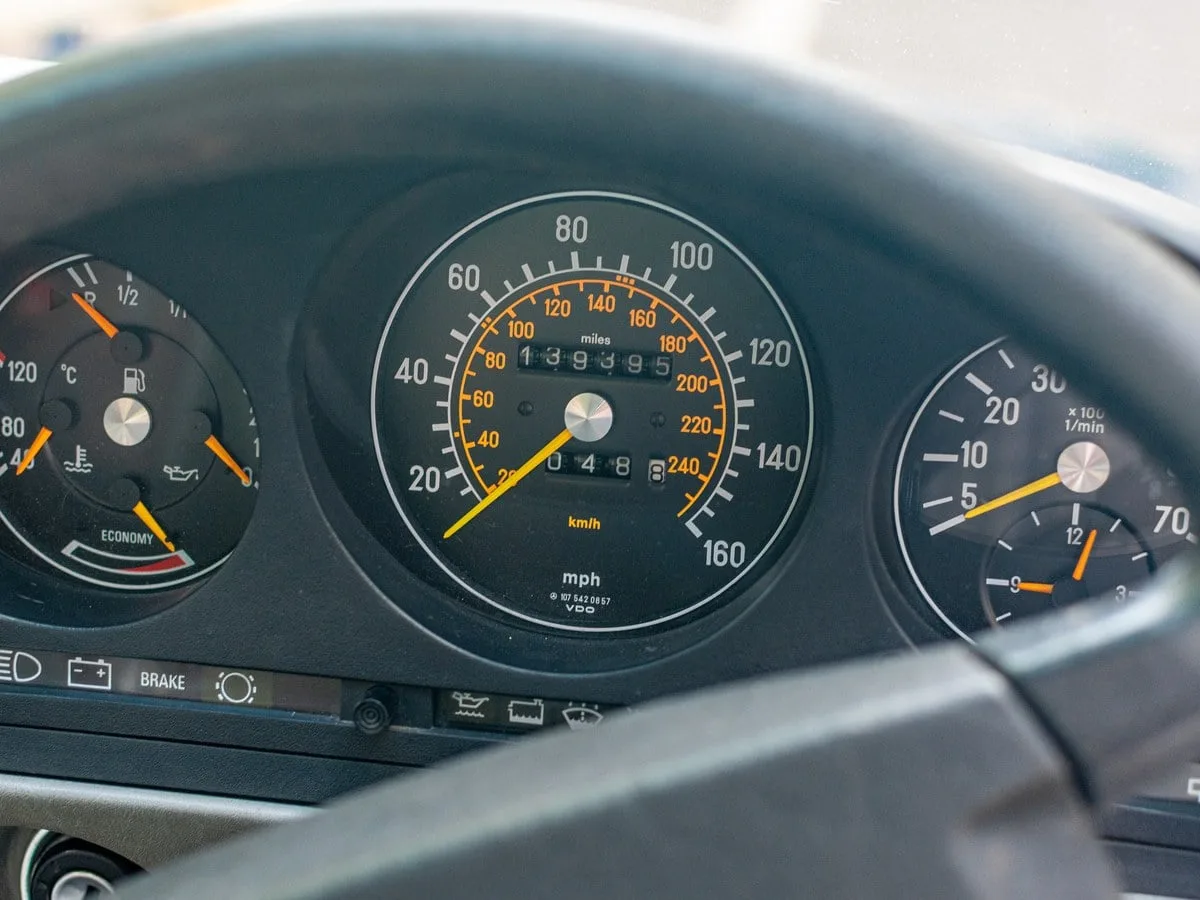
The first question most people ask about a classic is how many miles it has covered. It is the wrong question to lead with.
These cars were built to cover distance
A hundred and fifty thousand miles sounds like a lot until you remember what these cars were designed to do. A Jaguar grand tourer or a Mercedes SL was built to cross a continent in comfort and to do it repeatedly. The engineering tolerances, the materials and the servicing intervals all assume serious distance.
Both marques of this era have engines that are fundamentally durable when maintained. What ends them is neglect rather than use.
Standing still is its own damage
The instinct that low mileage means low wear is not reliable.
A car that has sat for years accumulates a different set of problems. Seals dry out and shrink. Fluids absorb moisture and degrade. Brake and fuel systems corrode from the inside. Tyres perish while looking perfectly good. None of that shows on the odometer, and putting it right is often more involved than maintaining a car that has simply been driven.
Given the choice between a maintained car at 150,000 miles and a neglected one at 40,000, the higher mileage car is frequently the better buy.
What actually decides it
History. A continuous record matters more than an impressive one. Stamps and invoices spread across decades tell you the car has been looked after consistently. A thick file of recent work on a car with no earlier history tells you something was rescued.
Structure. Corrosion in the chassis and structural areas is the expensive problem, and it is unrelated to mileage. What matters is whether the chassis has been inspected and sealed continuously through the car’s life.
Evidence of the right work at the right time. Cambelts, chains, coolant, fluids. These are interval jobs, and whether they were done on schedule matters far more than the total on the clock.
Model specific checks
Beyond general condition, each model has a handful of things worth establishing before you commit. Two examples from the marques we know best.
Jaguar XJ-S V12
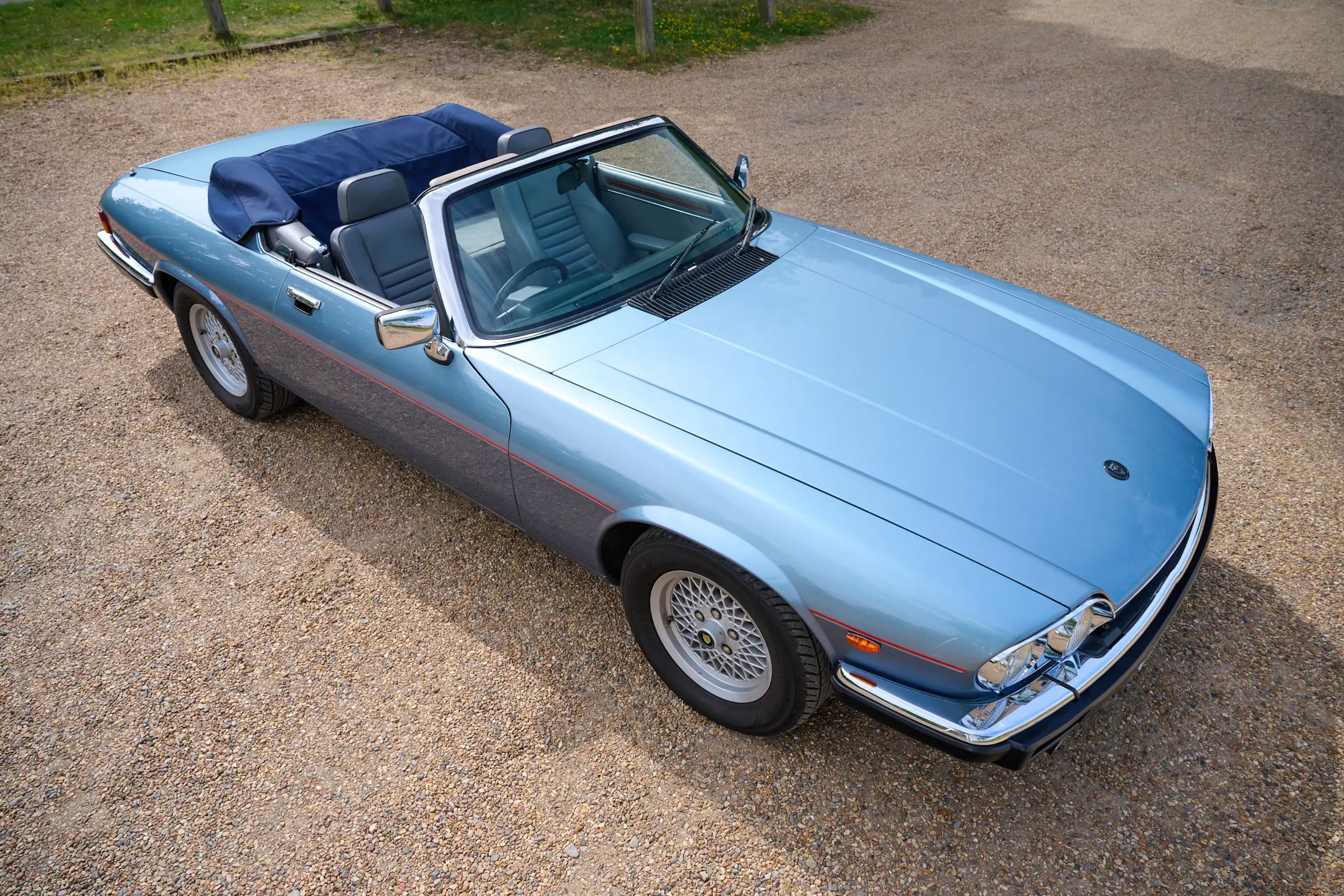
- Cooling system. The most important check on a V12. Neglected coolant silts the radiator and overheating is what destroys these engines. Brown coolant tells you the coolant has been left too long, and is a signal to look carefully at the health of the engine before going further.
- The rear spark plugs. They are awkward to reach and are frequently skipped at service time. Ask specifically whether all twelve have been changed.
- Timing chain noise. A rattle from the front of the engine on start up needs investigating before purchase.
- Suspension and subframe bushes. Uneven tyre wear usually points here. There are a great many bushes on these cars and replacing them all is a real cost.
- Rust. Jacking points, floorpans, front wings, rear wheel arches, sills, doors and the windscreen scuttle.
Mercedes R107 SL
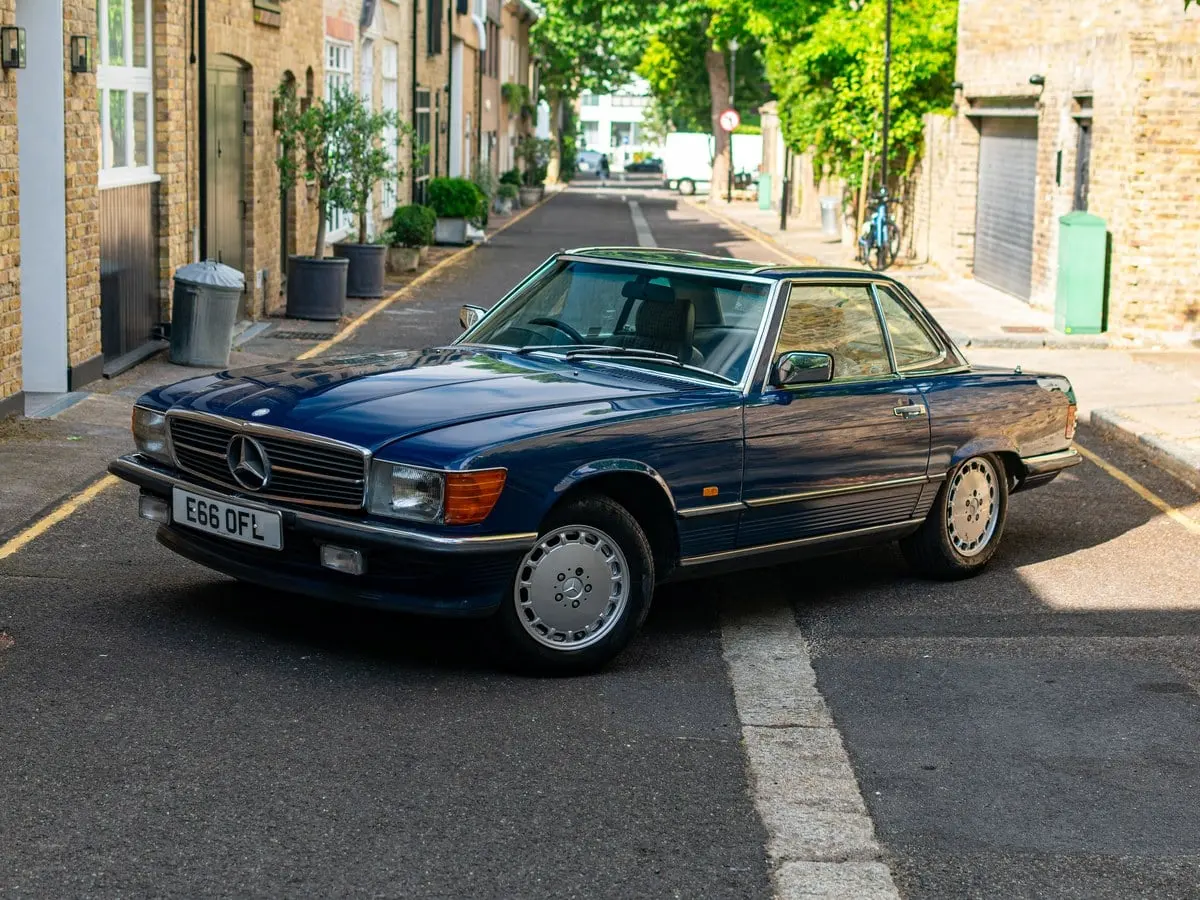
- Timing chain, and which one. Early cars used a single row chain that was prone to failure. A double row chain became standard from 1984. On any R107, a rattle on cold start up is the warning sign, and a failed chain guide can destroy the engine.
- Know the build year for rust protection. Mercedes introduced wax cavity injection in 1980 and galvanised bodyshells from 1986. A late car is substantially better protected than an early one, which matters more than mileage does.
- The plenum in front of the windscreen. Water collects where the fresh air vents are, and blocked drains rust the bulkhead from the inside.
- Floors and boot floor. Around the seatbelt mountings, under the rear carpet, and where water enters past the boot seal.
- Hard top mounting points on the rear parcel shelf, and the inner sills and front subframe mounts.
- The radiator, which sits unprotected at the front and takes stone damage.
The pattern is worth noticing. Almost none of these are mileage related. They are questions about how a specific car was built, maintained and stored.
How to use the number
Mileage is useful as context for everything else. A car with 150,000 miles and a file to match is a car that has been used and looked after. A car with 40,000 miles and no history raises a question rather than answering one.
None of which means mileage does not count. A genuinely low mileage car that has also been cared for extensively is worth more, and should be, because it is the rarer thing. The point is that low mileage on its own does not earn that premium. It has to arrive alongside the history, the structure and the service record.
So weigh all of it together. Establish the history, get the car on a ramp, check the things that model is known for, and read the odometer as one figure among several rather than as the answer on its own.
Common questions
Is 150,000 miles too high for a classic?
No. Cars of this era from Jaguar and Mercedes were engineered to cover large distances, and a maintained example at 150,000 miles is frequently a better buy than a neglected one at 40,000. The number on its own tells you very little.
What matters more than mileage?
History and condition. A continuous record of servicing, invoices for work carried out, and a sound structure are what determine whether a car is a good buy. Mileage is one line in that picture rather than the picture.
Is a very low mileage classic safer to buy?
Not automatically. Cars deteriorate from standing as well as from use. Seals dry out, fluids degrade, brakes seize and fuel systems corrode. A car that has been used regularly and maintained is often in better mechanical order than one that has sat.