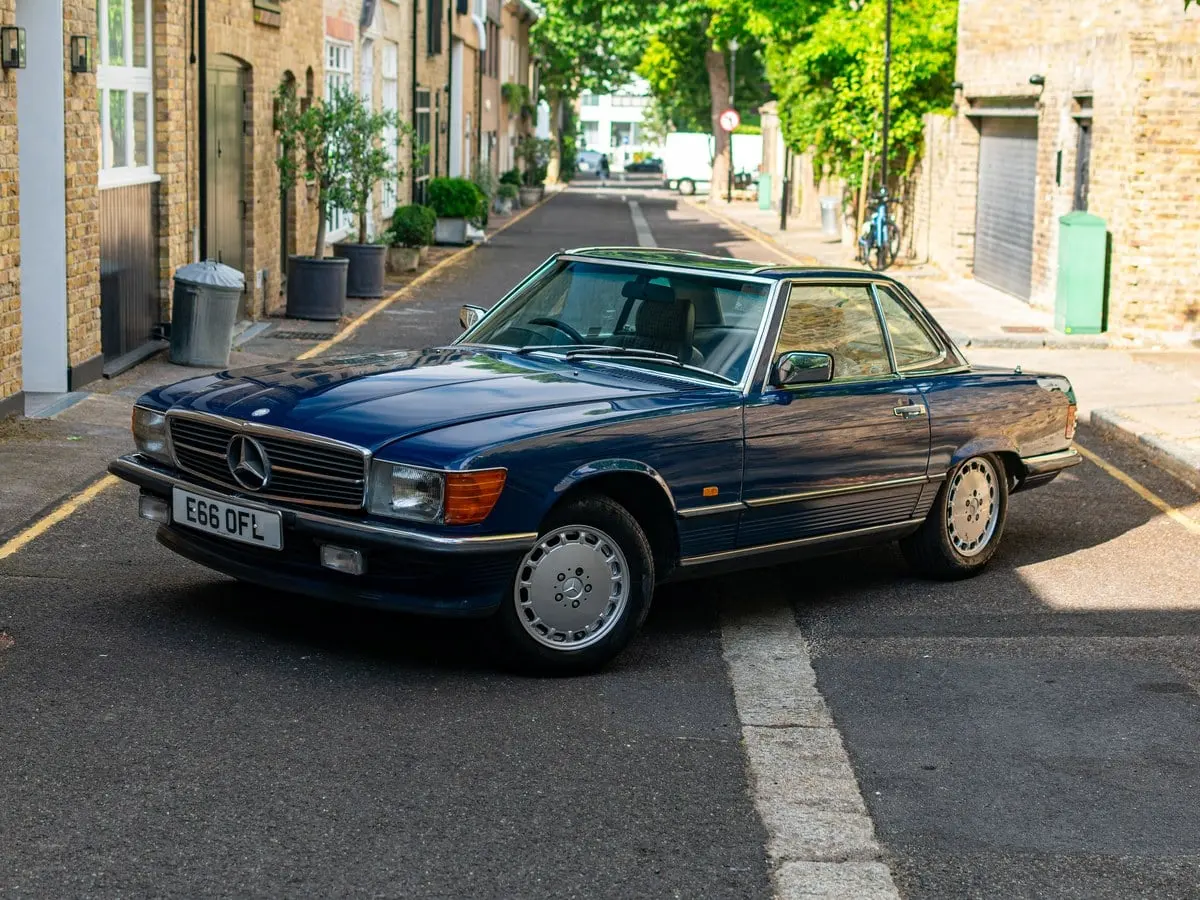
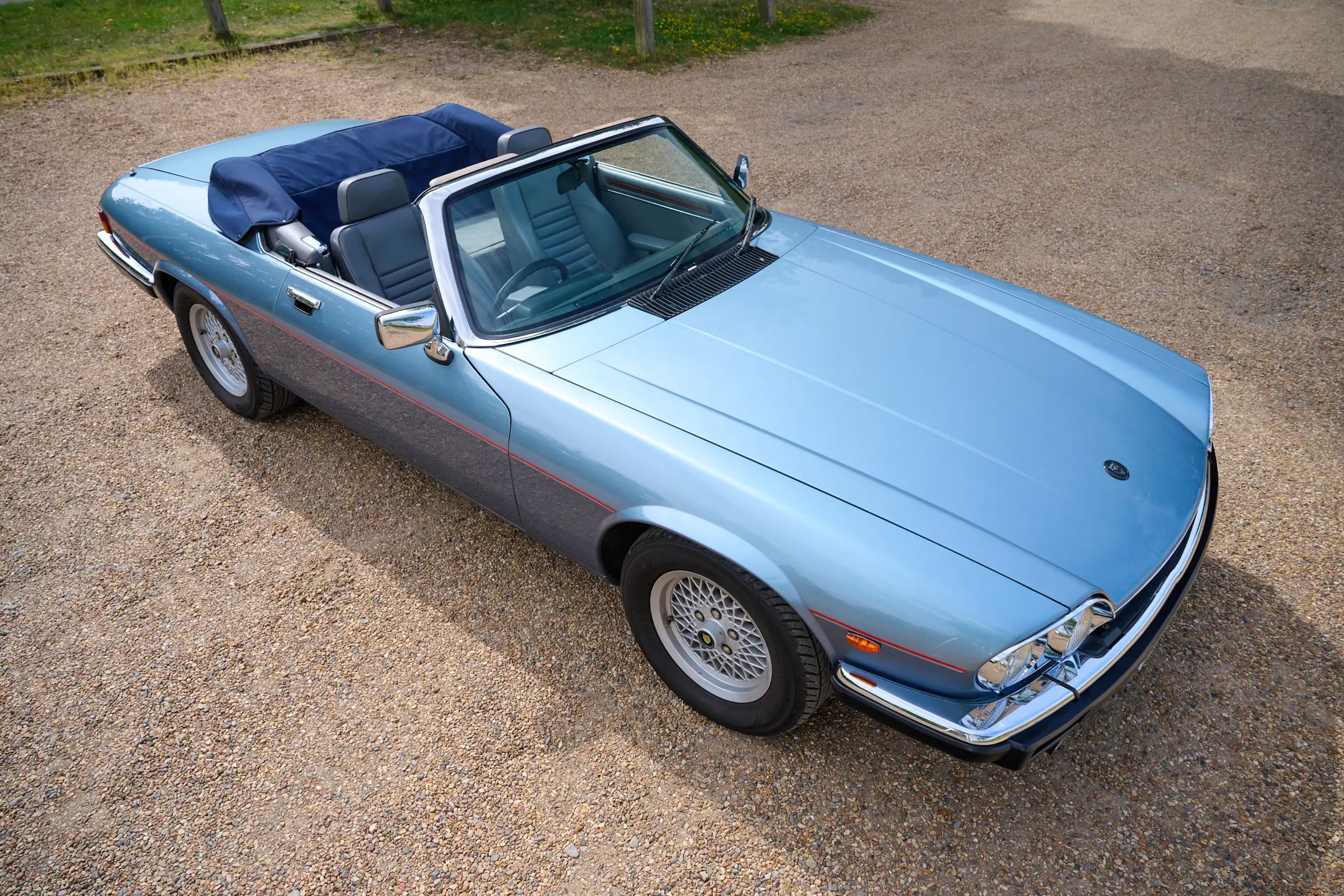
Sourcing parts for a classic: what it actually involves
Finding parts for an older Jaguar or Mercedes is a research job rather than a shopping one. Here is what it takes, and which items are worth checking before you buy.
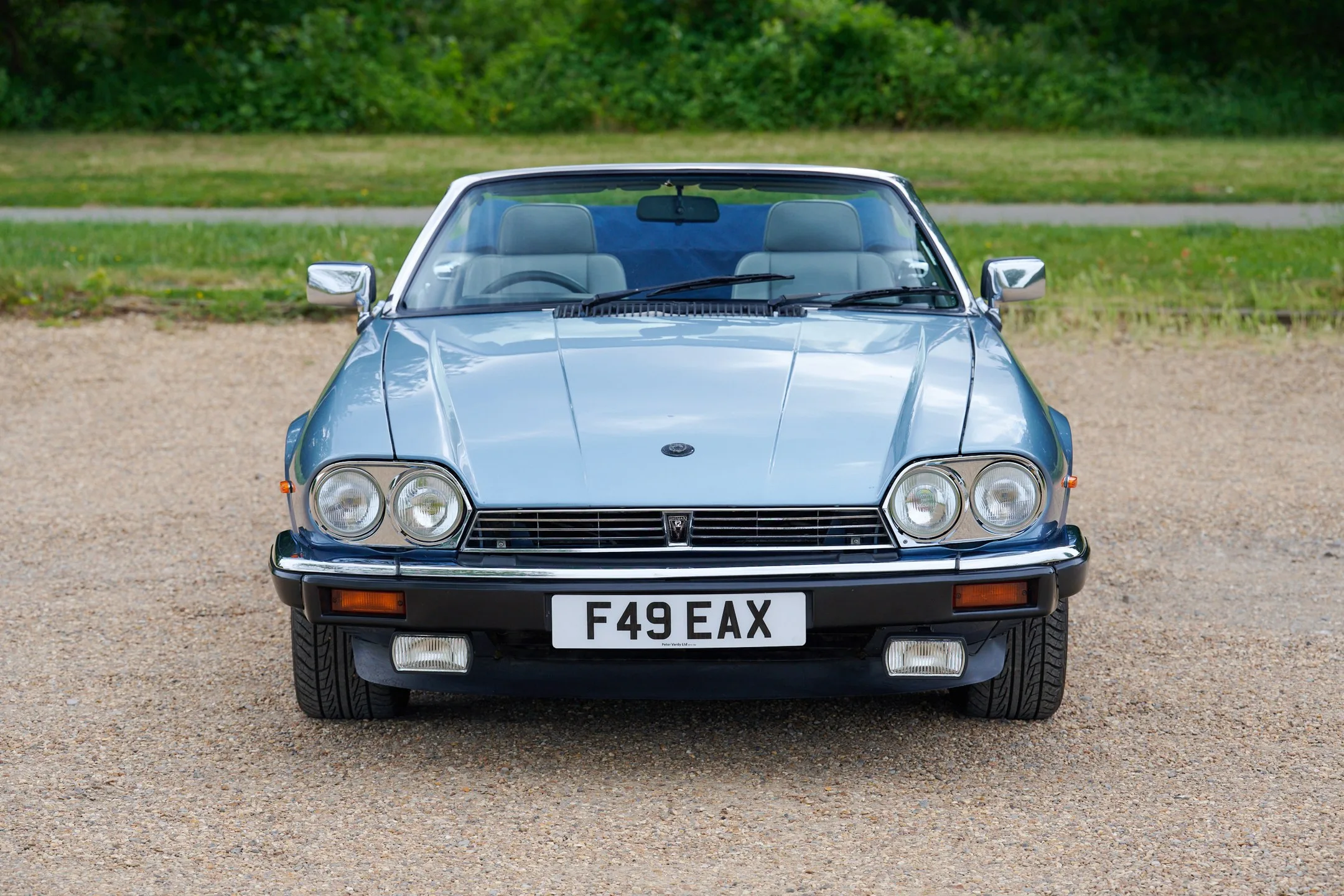
Every classic needs parts eventually. Rubber perishes, plastics go brittle, and forty year old components reach the end of their lives whether the car has been used or not.
What people underestimate is not the cost. It is the time.
It is research, not shopping
Ordering a part for a modern car takes a few minutes. Sourcing one for a car built in the eighties is a different activity altogether.
You need to establish the correct part number, which often means working from a parts catalogue rather than a website. You need to know which suppliers actually hold it, which specialists remanufacture it, and which listings are the same component under a different reference. You need to judge whether a used item is worth buying from photographs. And for anything genuinely scarce, you are not ordering at all, you are waiting for one to appear.
That knowledge is accumulated rather than looked up. It is the reason a specialist finds in an afternoon what an owner spends three weekends on.
Support varies, but effort does not disappear
Mercedes has taken its own history more seriously than most manufacturers, and support for older models is better than the industry norm. That shortens a search. It does not remove it.
Every classic reaches the point where something takes real effort to track down, whatever the badge. The difference between marques is how often you reach that point, not whether you reach it.
The items that take longest
Consistently, the difficulty is trim and glass:
- Headlights and tail lights
- Door glass and quarter lights
- Windscreens
- Exterior trim and brightwork
These share a characteristic. They were rarely stockpiled, they are easily damaged, and they cannot be improvised. A mechanical component can usually be rebuilt or remanufactured. A cracked tail light lens cannot.
On auction sites
eBay and the classifieds are genuine sources and worth watching continuously. They are also unpredictable. You are relying on the right item appearing at the right moment, and when something rare does surface you should expect to pay accordingly.
The workable approach is to look long before you need something, and to buy a good spare when one appears even though nothing is currently wrong.
What this means when you are buying
Check the trim, the glass and the lights carefully, and treat anything missing or damaged as a longer delay than the price suggests. Those are the items you cannot simply order when you need them.
It is also the clearest argument for buying a car that is already finished. Every hour of searching, every wait for the right listing, and every premium paid for a scarce part has already been spent by somebody else. What you are buying is not only the car. It is the time that went into completing it.
Common questions
How long does it take to find parts for a classic?
Longer than people expect. Sourcing is a research job rather than a shopping one. Identifying the correct part number, finding who actually holds it, and judging whether a used item is worth buying all take time, and for rarer items you are waiting for the right one to appear rather than ordering it.
Is one marque easier than another?
Mercedes has kept better support for its older models than most manufacturers, which shortens the search. It does not remove it. Every classic reaches a point where a part takes real effort to find, whatever the badge on the bonnet.
Which parts should I check before buying?
Trim and glass. Headlights, tail lights, door glass, windscreens and exterior brightwork are the items that take longest to source and cost the most when they surface, because they were rarely stockpiled and cannot be improvised.